
Spiritual fasting has been a practice for thousands of years.
In fact, one of the first places we see this spiritual discipline practiced is by Moses in Exodus 34. However, spiritual fasting has not been part of the regular spiritual rhythm in the modern church. The main idea surrounding fasting is to stay connected to God and reliant on His strength.
There are different kinds of fasts people participate in. These look like private fasts, congregational fasts, national fasts and regular fasts which were and still are practiced by many people today.
The definition of fasting is simply the whole and partial abstaining of food. Many times a person goes to get blood work done at a doctor’s office and their instructions are to fast after 7:00pm in the evening until their blood is drawn in the morning so that an accurate reading of the blood work can be done. This is fasting. This is not “spiritual fasting” or fasting for spiritual purposes.
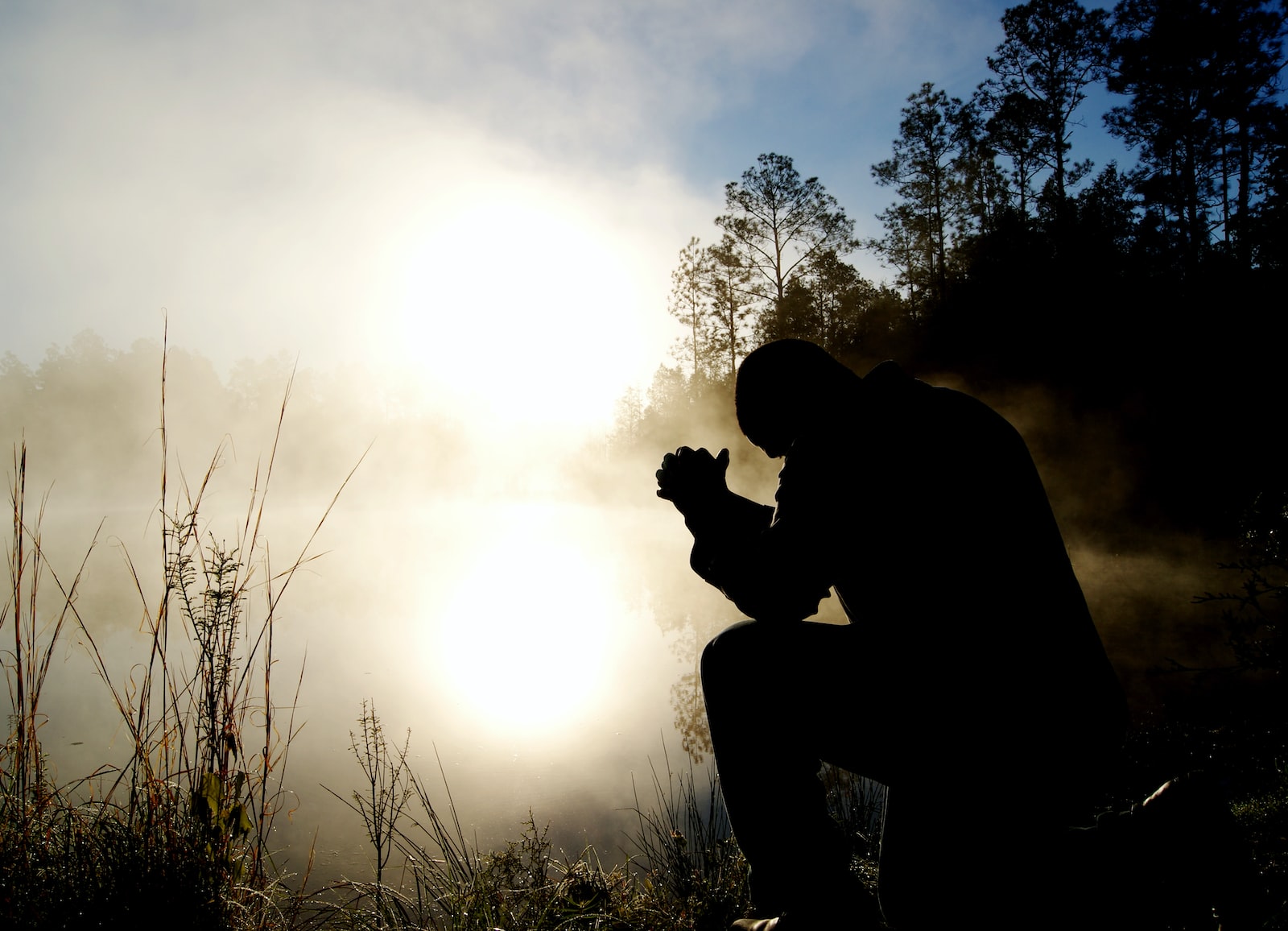
Spiritual fasting is the spiritual discipline of voluntarily abstaining from something (historically food) for the purpose of gaining clarity and asking God to move powerfully. So the spiritual fast is not necessarily adhering to a certain dietary restriction but an intentional abstaining (from anything really) trusting that the Lord will reveal Himself in a specific or particular way.
Fasting is done to strengthen prayer, to seek God's guidance, to express grief, to humble oneself before God, to express concern for the work of God, to minister to the needs of others, to overcome temptation, dedicate yourself to God and to express love and worship to God.
Jesus fasted (Mt. 4:2) and expected that his disciples would keep fasts also, along with two other important disciplines, prayer and giving (Mt. 6:1-18). There is an assumed understanding of the Jewish culture here. In the Old Testament fasting is many times associated with repentance (Joel 2:12-13; Jon. 3:5-9) or a desperate plea for God’s intervention (Est. 4:1-4). It was also a sign of mourning (Dn. 9:3). Ultimately fasting is seen in the Old Testament as a serious plea for God to act.
One key understanding of fasting is found in Isaiah 58:1-14. It’s emphasis is not on the physical aspects, but upon the heart’s commitment to the Lord for the fasting. There is nothing spiritual about not eating food. (See 1Tim 4:1-3; Col 2:20-23) God honoring fasting starts and ends with the heart’s full commitment to the Lord.
That being the case, there are different kinds of fasts. If you participate in any of these food or water fast, you have to know your body well. Please consult your physician.

A “normal fast” is from food, not water.
This can be for one meal or many meals. If a normal fast goes longer than a couple of days, the calories from food are replaced by calories by smoothies or nutrition shakes. This fast can be done for several days or weeks when under the care of a physician regularly.
A “partial fast” limits your diet.
This includes a particular food regimen (or activity) for any specified period of time. This practically looks like not eating a couple of meals in a 24 hour period and perhaps once per week over several weeks or twice per week for a period of time. Social Media fasting has become an approachable way for people to begin fasting. You can try fasting from all Social Media for 24-48 hours.

An “absolute fast” is the abstinence of all food and liquid.
You MUST be careful with this fast and plan ahead. This kind is typically short. The human body can only go without water, typically, about three days. See this passage from the Bible book, Esther when she asks the Jewish people to pray and fast:
Esther 4:15-17 NIV
15 Then Esther sent this reply to Mordecai: 16 “Go, gather together all the Jews who are in Susa, and fast for me. Do not eat or drink for three days, night or day. I and my attendants will fast as you do. When this is done, I will go to the king, even though it is against the law. And if I perish, I perish.” 17 So Mordecai went away and carried out all of Esther’s instructions.
Four tips on how to fast the right way.
One: Plan Ahead
Going without food, or water, or both can cause fatigue or lack of clarity. You do not want to have dinner plans where your purpose is to practice the spiritual discipline of fellowship and fasting at the same time (unless it is unavoidable). When you are fasting, plan for your circumstances to the best of your ability.
Two: Use the Hunger to Prompt Prayer.
When you feel hunger, remember what you are praying about. Though pain is uncomfortable, you can use this pain to talk to God about the specific issue you are fasting for.
Three: Resist Pride
You may have heard that you are not supposed to talk about fasting when you fast. This is true and found in Jesus teaching in Matthew 6:16:18. The teaching is less about who you tell, and more about why you tell others. The idea is not to try and garner “spiritual points” for your spiritual behavior. The lesson here is to resist pride. It is easier to resist pride when you are not talking about fasting with others.
Four: Stay Focused
Do not think of a white elephant? What are you thinking about now? When we try and tell ourselves not to focus on hunger, we end up focusing on hunger. Instead, focus on prayer. The time will pass, you will eat again. Try to use the hunger pain and fatigue as a reminder to pray for the issues you are committed to fasting for.
For more on this topic or other spiritual disciplines you can refer to a number of books. One of the books we recommend is a book called “Spiritual Disciplines For The Christian Life” which was written by a Christian Author named Donald Whitney.